🗞️ California Company Lucky Growers Inc. Cited for Federal Agriculture Employment Violations
The U.S. Department of Labor's Wage and Hour Division cited Lucky Growers Inc., a San Marcos, California agricultural employer, for violations of the Migrant and Seasonal Agricultural Worker Protection Act (MSPA).

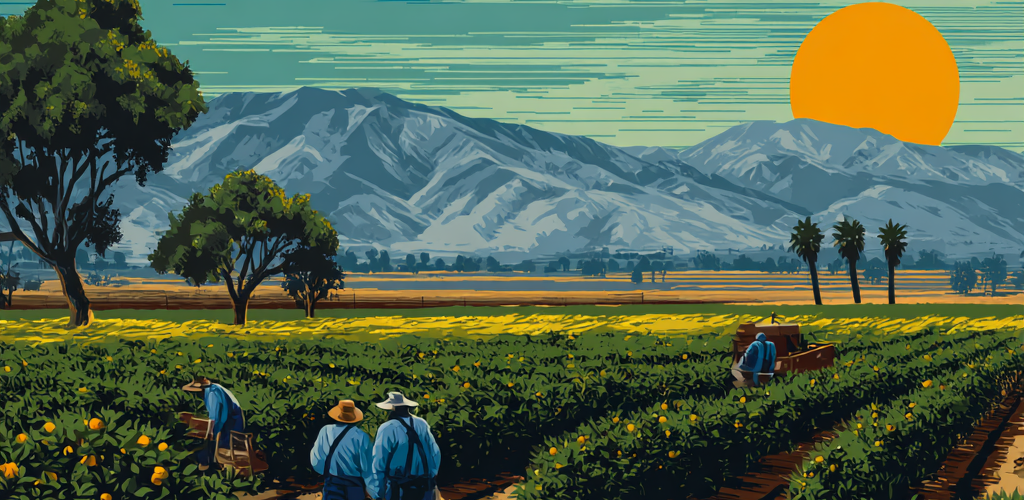
Today, the Department of Labor announced enforcement actions against Lucky Growers Inc., highlighting a preventable breakdown in employer-employee relations and workplace management. This case illustrates how proactive compliance and direct communication between management and workers can prevent government intervention and preserve the collaborative workplace environment essential to agricultural operations.
The investigation revealed housing conditions that fell below federal MSPA standards: structural damage, mold growth, pest infestations, missing doors, inadequate lighting, and improperly stored propane tanks. Critical safety equipment—fire extinguishers, smoke detectors, and first aid kits—was absent. These violations occurred despite readily available DOL compliance resources that could have helped management identify and correct issues before they escalated to formal enforcement.
Significantly, Lucky Growers also failed to provide required pre-employment disclosures about job and housing conditions. This communication failure represents a missed opportunity for transparent employer-employee dialogue that could have addressed concerns before they required external resolution. When employers maintain open channels of communication and implement robust internal compliance systems, workers have direct avenues to resolve issues—eliminating the need for outside intervention that can disrupt operations and strain workplace relationships.
The financial impact was substantial: $171,400 in back wages for improperly charged rent, plus $76,274 in civil penalties, totaling $247,674. These costs—which could have been avoided through proactive management and compliance—represent resources that might otherwise have been invested in business operations, employee wages, or facility improvements. The MSPA's civil penalty structure is designed to incentivize direct employer accountability rather than third-party intervention.
California's agricultural sector generates approximately $50 billion annually and produces over one-third of America's vegetables and most of its fruits and nuts, according to state economic data. This vital industry depends on functional employer-employee relationships and regulatory compliance. When management systems fail, as in this case, both workers and employers suffer—workers endure substandard conditions while employers face penalties, reputational damage, and operational disruption.
Lucky Growers Inc., which began operations in 2005 and expanded in 2016 to include Girl & Dug Inc., operates approximately 180 acres with around 79 workers. Girl & Dug Inc. has locations in San Marcos and Portland, Oregon. The employer sells products nationwide.
Assistant District Director Emily Eckstein noted that agricultural workers have federally protected rights and that the Wage and Hour Division remains committed to enforcement. However, the agency also emphasizes prevention through its compliance assistance programs, recognizing that voluntary employer compliance and direct workplace communication serve both parties' interests better than enforcement actions. The division's PAID program even offers employers opportunities to self-report and resolve violations cooperatively, demonstrating the value of proactive management.
This case underscores a fundamental principle: strong internal management systems, transparent communication, and direct employer-employee relations prevent the workplace disruptions and financial costs associated with regulatory enforcement. When employers invest in compliance infrastructure and maintain open dialogue with their workforce, both parties benefit—workers receive proper treatment and employers avoid interventions that can complicate operations and strain the collaborative relationships essential to agricultural success.
Key Points
- Case Context: Preventable management failure resulting in costly regulatory intervention affecting both employer operations and worker welfare
- Employer: Lucky Growers Inc., San Marcos, California (180 acres, approximately 79 workers)
- Violations: MSPA housing standards violations affecting 30 workers—structural defects, pest infestations, missing safety equipment
- Communication Breakdown: Failed to provide required pre-employment disclosures, representing missed opportunity for transparent employer-employee dialogue
- Financial Impact: $171,400 back wages + $76,274 penalties = $247,674 total—resources that could have supported business growth and employee welfare
- Prevention Opportunities: DOL compliance resources and self-reporting programs were available but unused
- Industry Context: California's $50 billion agricultural sector depends on functional employer-employee relationships and proactive compliance
- Key Lesson: Strong internal management systems and direct workplace communication prevent regulatory interventions that disrupt operations and strain collaborative relationships
- Compliance Value: Voluntary employer adherence to standards benefits both parties more than enforcement actions or third-party workplace intervention
Primary Author: U.S. Department of Labor, Wage and Hour Division
Primary Source: U.S. Department of Labor News Release #25-1366-SAN
Primary Source Link: https://www.dol.gov/newsroom/releases/whd/whd20251215
Supplemental Sources
- MSPA Compliance Overview - U.S. Department of Labor - Official federal compliance guidance
- Agriculture Compliance Assistance Toolkit - DOL
- PAID Program - DOL Wage and Hour Division
- eCFR Title 29 Part 500 - Migrant and Seasonal Agricultural Worker Protection
- Migrant and Seasonal Agricultural Workers Protection Act of 1983
- California Agriculture Statistics - CDFA
- Farmworker Housing Requirements - California HCD
- Federal court orders labor contractor penalties