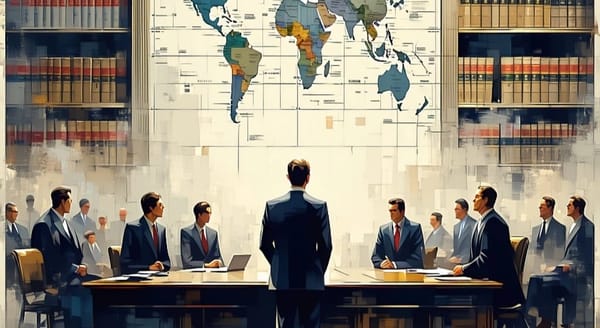
Starbucks Manager Fired After Refusing Unlawful Directives—NLRB Rules Termination Lawful on Performance Grounds
NLRB judge ruled Starbucks unlawfully solicited employee grievances during Oregon union drive but found Army veteran store manager's discharge—after he refused surveillance and altered discipline directives—was lawful based on performance issues.
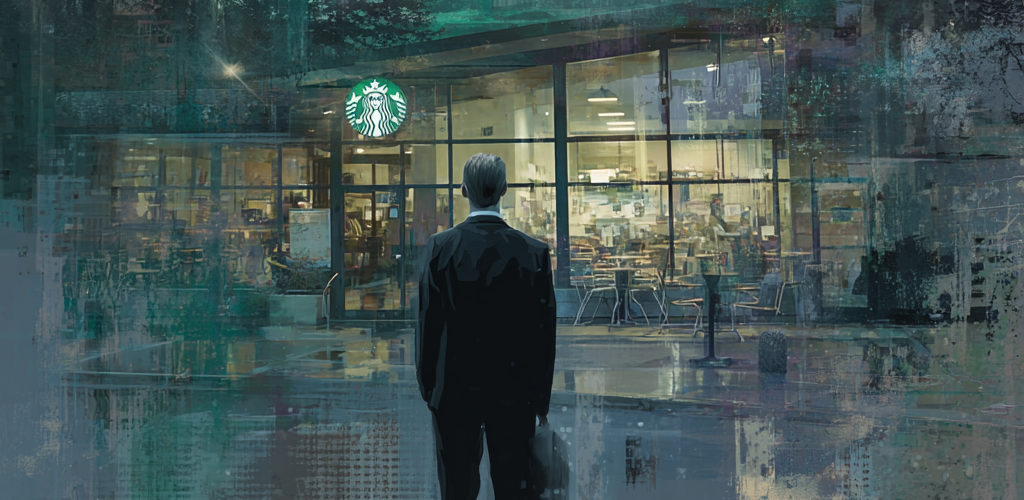
An NLRB Administrative Law Judge issued a mixed decision in a case involving Starbucks Corporation and a unionizing West Salem, Oregon store. The February 2026 ruling found the coffee company violated federal labor law by soliciting employee grievances with implied promises to remedy them during a union organizing campaign. However, the judge dismissed allegations that Starbucks unlawfully terminated store manager Wade Russell for refusing to commit unfair labor practices.
Russell, a 30-year Army veteran with PTSD hired in May 2022 with no prior coffee industry experience, was assigned to manage the West Salem store beginning August 2022. The store had pre-existing cleanliness and pest control problems that Russell inherited. After Workers United filed a union petition on June 29, 2023, Russell testified that District Manager Michael Kane directed him to identify union organizers, listen in on employee conversations, and begin documenting all employee infractions rather than using his previous verbal coaching approach—all of which Russell refused to do.
Kane initiated Russell's termination consultation on June 28, 2023—one day before the union petition was filed—citing ongoing cleanliness issues despite Russell receiving progressive discipline in May 2023. The union ultimately won the election 17-0 in August 2023, and was certified as the collective bargaining representative.
Applying the Wright Line burden-shifting test, ALJ John T. Giannopoulos found that while the General Counsel established Russell engaged in protected activity by refusing unlawful directives, Starbucks proved by a preponderance of evidence it would have terminated Russell regardless due to documented performance deficiencies. The judge credited Russell's testimony about Kane's post-petition demands but found the timing of the termination consultation—before Kane knew about union activity—supported Starbucks' defense.
The judge found Starbucks violated Section 8(a)(1) when Kane conducted individual meetings with employees after the petition, asking shift supervisor Alicia Flores Barrera if there was "anything he could do to make her feel supported" and "anything she needed"—conduct that constituted unlawful solicitation of grievances absent any prior practice of such individualized meetings.
The decision illustrates the high evidentiary burden for proving unlawful termination under Wright Line, even when supervisors refuse to commit unfair labor practices, and provides insight into NLRB analysis of employer conduct during organizing campaigns.
Key Points
- Unlawful Solicitation Found: Starbucks violated Section 8(a)(1) by soliciting employee grievances with implied promises to remedy them during union campaign
- Termination Upheld: Despite manager refusing surveillance and discipline change directives, discharge found lawful due to documented pre-petition performance issues
- Credibility Determinations: ALJ credited manager and employee testimony about post-petition unfair labor practice requests, but found district manager evasive
- Wright Line Application: Employer proved termination would have occurred regardless of protected conduct based on June 28 consultation initiated before June 29 petition
- Pre-existing Problems: Store had documented cleanliness and pest issues before, during, and after manager's tenure; previous managers not disciplined
- Union Victory: Despite manager's termination, workers voted 17-0 for union representation and were certified in August 2023
- Timing Issues: Termination consultation submitted one day before union petition raised questions but insufficient to prove pretext without evidence of knowledge of organizing
Primary Source Author: Administrative Law Judge John T. Giannopoulos
Primary Source: Starbucks Corporation, JD(SF)-03-26, Cases 19-CA-325519, 19-CA-326902
Primary Source Link: https://apps.nlrb.gov/link/document.aspx/09031d45841c132d